
Teachings
John Jay College of Criminal Justice
POL 235 – Judicial Processes and Politics – Spring 2026
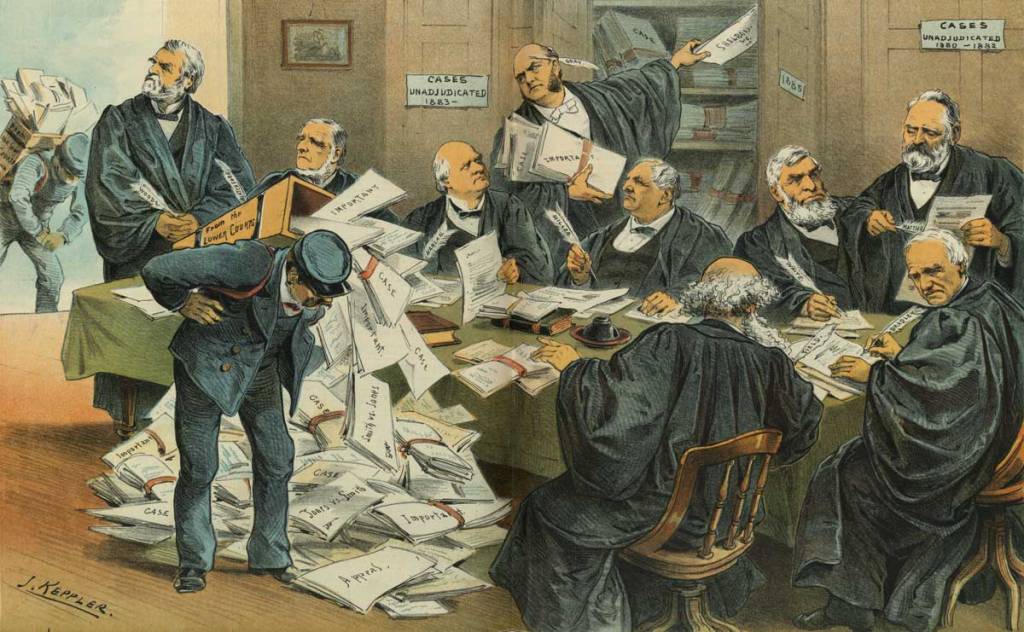
This course examines courts as political institutions and the various actors and conditions that influence judicial decisions. Readings will focus on the relationship between the courts and other branches of government, the politics of judicial selection at the state and federal levels, theories of judicial decision-making developed in political science, and the impact and implementation of judicial decisions.
The first part of the course will focus on the basic understanding of the judicial processes in the United States. How are the courts in the United States structured? How are judges appointed in the federal and state system? What is the relationship between the federal and state courts? This part is aim to set the foundational understanding of how the court system works in the United States, and will occasionally bring in comparative examples around the world on relevant topics.
The second part of the course will focus on what political scientists call judicial politics. How do judges decide on the merits and logic of the case? Do judges compromise? What factors are taken in when judges decide their literature? What role do ideology play in light of decision-making by the judges? This part of the course will not just focus on the United States, but on judicial decisions around the world. What lesson do we learn from judges from democratic-backsliding states? Do judges in authoritarian state have judicial power?
The syllabus will be available in the last week of January.
Brooklyn College
POLS. 3221 – United States in World Politics – Spring 2026
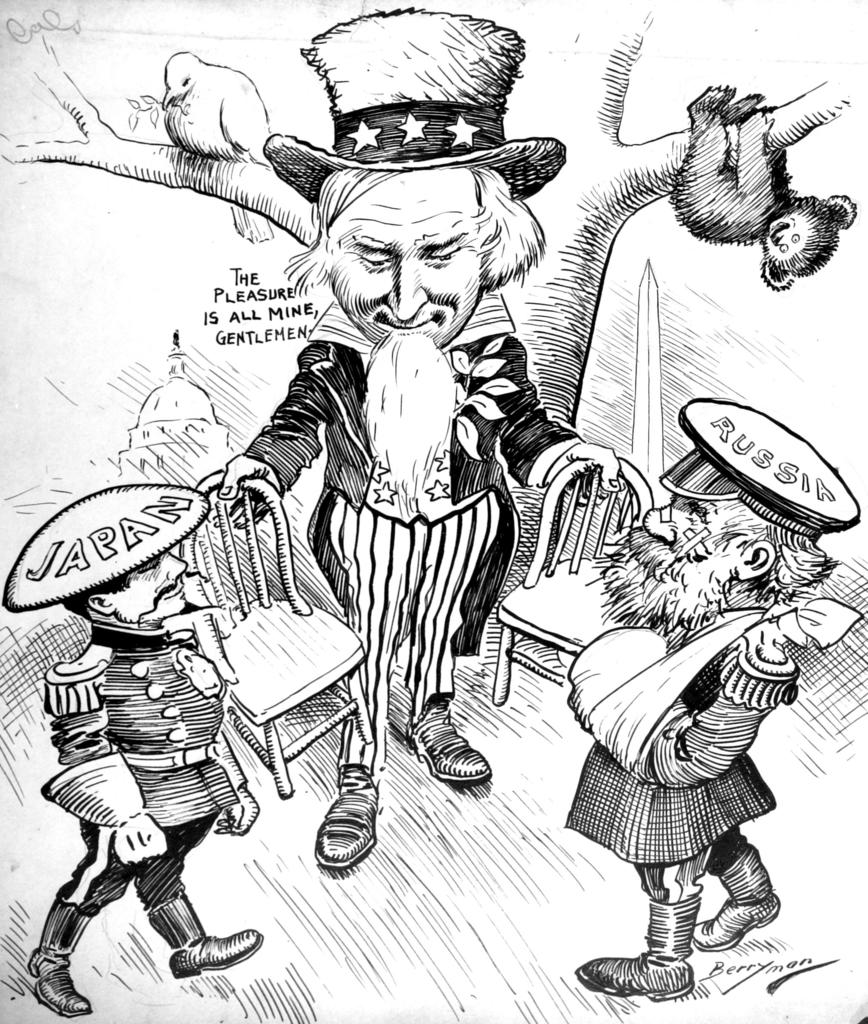
Changing role of the United States in world politics. Objectives of national strategy. Effect of technology and social revolution on political, military, and economic components of foreign policy.
As one of the superpowers in the world, the United States has always been an important player within the international political system. Every decision made by the United States had lasting consequences on the world stage and the U.S. relationship with other countries, whether as allies or enemies. This class will focus on the role of the United States on the world political stage. It will first explore how the U.S. historically evolved from a small country with a non-interventionist foreign policy, to a regional hegemon in the Americas, to being in the superpower position against the Soviet Union. Then, the class will focus on the role of the United States in the current world. A heavy focus will be given to the role of the U.S. in the current politics, in light of Trump’s presidency.
The syllabus will be available in the last week of January.
POLS. 1002 – Introduction to Global Politics – Fall 2025
What is politics? What is Political Science as a field? Why do Political Scientists want to understand politics? How do they do it? These are the questions that this introductory class tries to answer. This Introduction class serves as an introduction to the idea of politics and how political scientists understand the world and its politics. More specifically, this class will introduce students to the literature of Comparative Politics, one of the major fields of study in Political Science. Students will learn about regime types, social movements, and institutional politics around the world. Students are expected to read the news of what is happening in the world and bring it into the classroom to connect with the readings assigned, which the readings are picked with the current world and politics in mind.
The Syllabus is available here.
 Anson Cheuk-Hin Chung